Source Scandinavian Antique Armchair for Hotel Home Dining
Find and compare 30 available options for the scandinavian antique armchair suitable for hotel, home, and dining room applications. Buyers can review models with wood or metal frames, varying cushion types, and different customization levels to match specific sourcing needs.
Key considerations
Products List


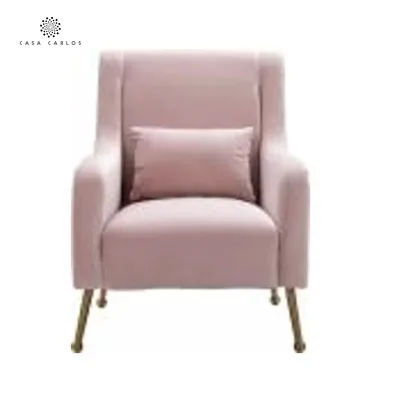
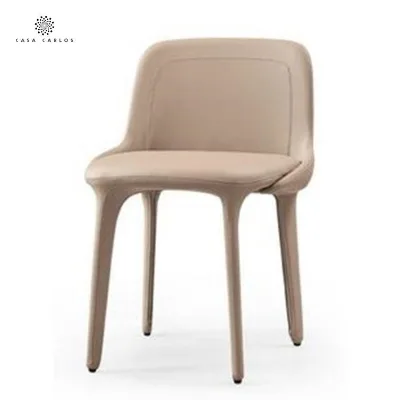
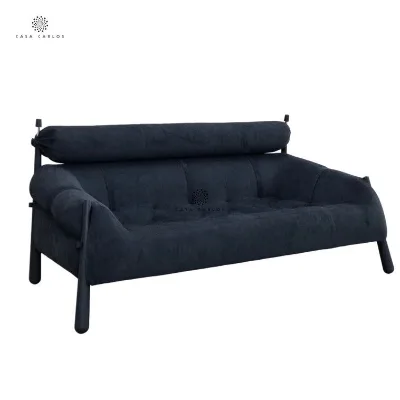


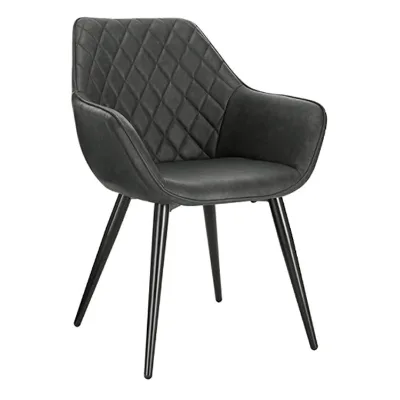


Comprehensive Sourcing Guide
Strategic Sourcing Guide for Scandinavian Antique Armchair Procurement
Understanding the Product Definition and Market Reality
When sourcing a "Scandinavian antique armchair," buyers must first reconcile the specific keyword with the actual available inventory in the global B2B marketplace. The term "antique" typically implies a specific historical period, often requiring hand-carved details, aged patinas, and traditional joinery methods that predate modern industrial manufacturing. However, the current supply data for products matching this search profile reveals a distinct divergence between the historical definition and the modern commercial reality. The available inventory is predominantly characterized as "New" condition, manufactured with modern production techniques, and sourced from industrial hubs in China.
The observed product attributes indicate a strong prevalence of "Modern" style classifications rather than historical reproduction. The materials listed include "Wood" and "Metal" frames, with specific mentions of "Stainless Steel" and "Wood" construction. While the keyword suggests a vintage aesthetic, the actual listings often feature "Oval" or "Square" shapes and are categorized under "Dining Room Furniture" or "Restaurant Furniture." This suggests that the market term "Scandinavian antique" is frequently used in search algorithms to capture buyers looking for the clean lines and functional minimalism associated with mid-century modern design, rather than true antiques. Buyers must therefore adjust their expectations to understand that they are likely sourcing contemporary furniture that mimics the aesthetic of Scandinavian design, rather than acquiring genuine historical artifacts. The "New" condition of all observed units confirms that these are mass-produced items intended for immediate commercial or residential deployment, not museum-grade restorations.
Technical Specifications and Material Composition
A critical component of the sourcing process involves a granular analysis of the technical specifications provided by suppliers. The data indicates a wide variance in construction materials, which directly impacts the durability and aesthetic alignment with the Scandinavian design ethos. The "Wood" material is a primary component, often paired with "Metal" frames, specifically "Stainless Steel." This combination allows for the structural integrity required in high-traffic environments while maintaining the lightweight profile characteristic of Scandinavian design.
The cushioning specifications are equally diverse, ranging from "Leather+High Rebound Sponge" to "High Rebound Sponge" alone. For a buyer seeking a premium feel, the leather option provides a tactile quality often associated with higher-end Scandinavian interiors. However, the sponge density is a variable that requires direct verification with the supplier, as the term "High Rebound" is a general descriptor rather than a standardized metric. Dimensions are also a key differentiator; observed sizes include "405578cm," "505582cm," and "656580cm." These variations suggest that the "armchair" category encompasses everything from compact dining chairs to larger leisure chairs. The "Armrest" attribute is another critical specification, with the market offering both "With Armrest" and "Without Armrest" configurations. Buyers must explicitly define their requirement, as the "With Armrest" models are often categorized as "Leisure Chair" or "Dining Chair," while the "Without Armrest" variants may be optimized for space-saving in dining settings.
Furthermore, the "Folded" status is listed as "Unfolded," indicating that these are rigid, non-folding structures. This is a vital distinction for logistics planning, as it eliminates the possibility of flat-pack assembly for certain models, though some listings mention "Carton" packing. The "Shape" attribute oscillates between "Oval" and "Square," which influences the visual weight and spatial footprint of the furniture. A buyer targeting a specific room layout must cross-reference these shape attributes with their floor plan to ensure the selected model fits the intended aesthetic and functional requirements.
Compliance, Certification, and Material Standards
Navigating the compliance landscape for furniture sourced from China requires a rigorous approach to verifying material safety and environmental standards. While the keyword "Scandinavian" often evokes images of sustainable forestry and strict environmental regulations, the actual supply data does not automatically guarantee these attributes. The only certification explicitly mentioned in the background context is "FSC" (Forest Stewardship Council), but this is flagged as low-confidence background information and should not be assumed to apply to any specific product listing without direct verification.
Buyers must treat all material claims as observations that require validation. For instance, the "Wood" material must be verified for its species, treatment, and origin to ensure it meets the fire safety and formaldehyde emission standards of the destination market. The "Metal" frames, particularly those listed as "Stainless Steel," should be evaluated for corrosion resistance and coating durability, especially if the chairs are intended for "Hotel" or "Restaurant" usage where exposure to moisture and frequent cleaning is common. The "Standard" attribute in the data includes entries like "can be choose," which implies that suppliers may offer different compliance tiers depending on the order volume or specific buyer requirements.
It is imperative for buyers to request specific test reports for the "High Rebound Sponge" and "Leather" components. These materials are subject to flammability regulations in many jurisdictions, such as California Proposition 65 or UK furniture flammability standards. The "prod_standard" field in the data lists dimensions like "505582cm," which serves as a reference for size but does not constitute a safety standard. Buyers must explicitly ask suppliers to confirm adherence to international safety standards relevant to their target market, rather than relying on the generic "Standard" label provided in the catalog. The "Condition" is uniformly "New," which simplifies some compliance checks regarding wear and tear but does not exempt the product from new product safety regulations.
Cost Drivers and Pricing Dynamics
The pricing structure for these armchairs is influenced by a complex interplay of material costs, customization options, and order volume. The observed price range is exceptionally broad, spanning from $7.45 to $1,880 USD. This massive disparity indicates that the product category is not a monolith but a spectrum of quality and complexity. The lower end of the price range likely corresponds to basic "Wood" or "Metal" frames with standard "High Rebound Sponge" cushions, potentially in "Without Armrest" configurations. These units are often produced with minimal customization and are likely intended for high-volume commercial use where cost efficiency is paramount.
Conversely, the upper end of the price range, approaching $1,880, suggests a significant increase in material quality, craftsmanship, and customization. This could involve the use of premium "Leather" cushions, complex joinery in the "Wood" frame, or specific "Modern" design features that require more labor-intensive production. The "Customization" attribute is listed as "Available," which is a primary cost driver. Orders that require specific dimensions, custom colors, or unique branding will incur higher unit costs compared to standard "Non-Customized" models. The "MOQ" (Minimum Order Quantity) range of 1 to 200 units further influences the effective cost per unit. Buyers purchasing at the lower MOQ of 1 may face higher per-unit prices due to the lack of economies of scale, while those ordering near the 200-unit threshold can negotiate more favorable pricing.
The "Packing" method also impacts the final landed cost. Listings indicate "Carton" packing, with specific dimensions like "725598cm/CTN" and a quantity of "2PCS/CTN." Efficient packing reduces shipping volume and freight costs, which is a significant factor in the total cost of ownership. Buyers should calculate the cost per cubic meter to determine the most economical shipping method. Additionally, the "Origin" location, primarily "Guangdong" and "Fujian," China, affects logistics costs based on the proximity to major ports. Buyers must factor in these logistical variables when comparing the $7.45 base price against the total delivered cost to their facility.
Typical Applications and Usage Scenarios
The versatility of the observed armchair models allows for deployment across a wide range of commercial and residential environments. The "Usage" attributes explicitly list "Hotel," "Home," "Restaurant," and "Bedroom," indicating that these products are designed to be multi-functional. In a "Hotel" setting, the "Leisure Chair" models with "Armrests" and "High Rebound Sponge" cushions are ideal for lobbies or guest rooms, providing comfort for extended periods. The "Modern" style aligns well with contemporary hotel design trends that favor clean lines and durability.
For "Restaurant" and "Dining Room" applications, the "Square" or "Oval" shaped chairs with "Metal" or "Wood" frames offer a robust solution for high-traffic areas. The "Specific Use" tags of "Dining Chair" and "Restaurant Chair" confirm their suitability for these environments. The "Without Armrest" models are particularly useful in dining settings where space efficiency is critical, allowing for tighter table arrangements. In "Home" applications, the "Living Room, Bedroom, Dining" usage tags suggest that these chairs can serve as accent pieces or primary seating. The "General Use" classification of "Home Furniture" and "Commercial Furniture" underscores their dual-purpose nature.
Buyers should consider the "Feature" attribute, which is listed as "Other." This generic tag often implies unique selling points that are not immediately obvious, such as specific ergonomic designs or modular capabilities. In a "Leisure Chair" context, the "With Armrest" feature is essential for relaxation, while in a "Dining Room Furniture" context, it may be optional. The "Style" being "Modern" ensures that these chairs fit seamlessly into contemporary interiors, whether in a boutique hotel or a modern apartment. The "Folded" status of "Unfolded" means these are permanent fixtures, requiring careful consideration of the room's layout and the chair's footprint.
Supplier Evaluation and Quality Control Protocols
Evaluating suppliers for this product category requires a focus on their ability to deliver consistent quality across the wide range of observed specifications. The "Customization" availability suggests that suppliers have flexible production lines, but buyers must verify the supplier's capacity to maintain quality during custom runs. The "prod_model" numbers, such as "DS01265," "DS01134," and "HS-IC," serve as unique identifiers that buyers should use to track specific production batches. These model numbers often correspond to specific material and dimension combinations, making them essential for quality control.
Quality control protocols should begin with a detailed review of the "Material" and "Frame" specifications. Buyers must request samples to verify the "Wood" quality, the "Stainless Steel" finish, and the "Leather" or "Sponge" density. The "Condition" being "New" is a baseline requirement, but the physical inspection must go further to check for defects in the "Shape," "Armrest" attachment, and "Cushion" stitching. The "Packing" standards, such as "Standard Packing" or specific carton dimensions, are also critical for ensuring the product arrives without damage. Buyers should insist on a pre-shipment inspection that covers the "Size" accuracy, ensuring that the "405578cm" or "505582cm" dimensions match the ordered specifications.
The "Origin" locations of "Guangdong" and "Fujian" are known manufacturing hubs, but buyers should not assume uniform quality across all suppliers in these regions. A robust supplier evaluation process should include a review of the supplier's production capacity, their history with similar orders, and their ability to handle the "MOQ" requirements. The "Customized" status of "Customized" or "Non-Customized" should be clearly documented in the purchase order to avoid confusion. Buyers should also verify the "Standard" compliance of the finished product, ensuring that it meets the safety and durability requirements of the target market.
Long-Term Procurement and Maintenance Considerations
Sourcing "Scandinavian antique armchairs" is not just a one-time transaction but a strategic decision that impacts long-term operational costs and brand reputation. The "Modern" style and "New" condition of the products suggest a focus on durability and ease of maintenance. However, the "Leather" and "High Rebound Sponge" components require specific care to maintain their appearance and functionality over time. Buyers should develop a maintenance plan that includes regular cleaning protocols for the "Leather" cushions and inspection of the "Metal" and "Wood" frames for signs of wear or damage.
The "Usage" in "Hotel" and "Restaurant" environments implies high turnover and heavy use, making the durability of the "Frame" and "Cushion" critical. Buyers should consider the "Feature" of the product, which may include replaceable parts or modular designs that facilitate easy repairs. The "Standard" of "can be choose" suggests that suppliers may offer different levels of durability or warranty options, which should be negotiated based on the expected lifespan of the furniture. The "Packing" method, such as "Carton" or "Standard Packing," should be designed to protect the product during storage and transport, minimizing the risk of damage before installation.
Long-term procurement also involves managing the relationship with the supplier to ensure consistent supply of replacement parts or additional units. The "prod_model" numbers provide a clear reference for reordering, ensuring that the new units match the existing inventory in terms of "Size," "Material," and "Style." Buyers should also consider the environmental impact of the "Wood" and "Metal" materials, seeking suppliers who can provide documentation on sustainable sourcing practices. By focusing on these long-term considerations, buyers can ensure that their investment in "Scandinavian antique armchairs" delivers value and maintains the desired aesthetic and functional standards for years to come.
Comparative Analysis of Key Product Attributes
To facilitate a clearer decision-making process, the following table summarizes the key variations observed in the product data. This comparison highlights the trade-offs between different configurations and helps buyers align their procurement strategy with their specific needs.
| Attribute | Option A (Dining/Commercial) | Option B (Leisure/Residential) | Option C (Custom/Premium) |
|---|---|---|---|
| Specific Use | Dining Chair, Restaurant Chair | Leisure Chair, Home Furniture | Customized Application |
| Frame Material | Metal, Stainless Steel | Wood, Metal | Custom Material Selection |
| Armrest | Without Armrest | With Armrest | With or Without Armrest |
| Cushion | High Rebound Sponge | Leather + High Rebound Sponge | Custom Cushioning |
| Shape | Square, Oval | Oval, Square | Custom Shape |
| Packing | Carton (2PCS/CTN) | Standard Packing | Custom Packing |
| Origin | Guangdong, Fujian | Guangdong, Fujian | Variable |
| Price Range | Lower End ($7.45 - $50) | Mid-Range ($50 - $500) | High End ($500 - $1880) |
This table illustrates that the "Dining/Commercial" option prioritizes space efficiency and cost, often lacking armrests and using simpler cushioning. The "Leisure/Residential" option focuses on comfort with armrests and premium materials like leather. The "Custom/Premium" option offers the highest flexibility but comes with a significantly higher price point and potentially longer lead times. Buyers must weigh these factors against their budget and functional requirements to select the most appropriate configuration.
FAQs
What is the condition of the available armchairs?
All observed units are in New condition, not antique. These are mass-produced items intended for immediate commercial or residential deployment rather than museum-grade restorations.
Which materials are used for the frames?
Frames are constructed from Wood or Metal, specifically Stainless Steel. This combination provides structural integrity while maintaining the lightweight profile characteristic of the design style.
Can buyers request customization for these chairs?
Customization is available for some models, while others are Non-Customized. Orders requiring specific dimensions, colors, or branding will incur higher unit costs compared to standard models.
What are the typical dimensions for these chairs?
Observed sizes include 40*55*78cm, 50*55*82cm, and 65*65*80cm. These variations suggest the category encompasses everything from compact dining chairs to larger leisure chairs.
Where are the suppliers located?
Products originate from Guangdong and Fujian, China. These locations are industrial hubs that affect logistics costs based on proximity to major ports for international shipping.
How are the chairs packed for shipment?
Packing methods include Carton options with specific dimensions like 72*55*98cm per carton. Efficient packing reduces shipping volume and freight costs, which is a significant factor in the total cost.